






















The Pakistani government on Tuesday instructed the Privatisation Commission to proceed with the privatization of the lucrative Roosevelt Hotel in New York through competitive bidding, leaving the decision on whether to opt for an outright sale, a joint venture, or a long-term lease open for further evaluation. The decision, made by the Cabinet Committee on Privatisation (CCOP) and based on recommendations from the Ali-Pervaiz Committee, marks a critical step in addressing the financial challenges surrounding the iconic property owned by Pakistan International Airlines (PIA).
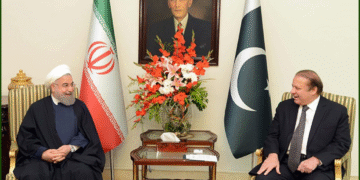
Chaired by Deputy Prime Minister Ishaq Dar, the CCOP adopted the Ali Committee report, which recommended privatizing the Roosevelt Hotel via open bidding. However, the committee emphasized that the Privatisation Commission should determine the most suitable transaction structure—considering potential risks, timelines, and financial returns—before presenting its findings to the CCOP for final approval. Petroleum Minister Ali Pervaiz, who headed the Ali Committee, played a key role in shaping the recommendations.
The Privatisation Commission board had previously suggested exploring a government-to-government privatization model while keeping three options on the table: an outright sale, a joint venture with a development partner, or a 99-year ground lease. However, this recommendation diverged from the advice of the financial advisor, Jones Lang LaSalle Americas, hired by Pakistan at a cost of Rs2.1 billion to guide the transaction.
Jones Lang LaSalle proposed three distinct options for the Roosevelt Hotel’s privatization. The first, a 100% outright sale, would involve bidding based on the land value at a floor area ratio (FAR) of 30+ with all approvals secured. The successful bidder would pay an initial deposit after the bidding process approval, with the balance due within three years post-approvals. This option, while carrying the lowest risk, is expected to yield the lowest net proceeds for Pakistan and attract fewer interested parties, according to the financial advisor’s report.
The second option, a 99-year ground lease, would see bidders compete based on land value at the same FAR, signing a Contribution Agreement after bidding approval and finalizing the lease within three years. Under this model, Pakistan would retain land ownership, receiving fixed payments over 99 years. This option carries medium risk and is projected to generate the second-highest net proceeds, with moderate to high interest from potential developers.
The third and recommended option, a joint venture with a development partner, would focus on constructing a multi-story, mixed-use skyscraper on the site. Based on its expertise in the New York real estate market, Jones Lang LaSalle argued that this structure would maximize financial returns for Pakistan. However, the Privatisation Commission board raised concerns about governance challenges, relationship management issues, and the risk of litigation in joint venture projects involving government and private partners.
Deputy Prime Minister Ishaq Dar urged the Privatisation Commission to expedite the privatization process, according to a statement from his office. The CCOP reviewed the progress of ongoing privatization initiatives, including the Roosevelt Hotel, focusing on identifying the most viable path forward. On Monday, the Privatisation Commission informed the International Monetary Fund (IMF) that the privatization structure would be finalized by the CCOP in light of the Ali Committee’s recommendations.
The Roosevelt Hotel, currently leased to the New York City government as a migrant shelter at $210 per room for the third year, faces potential termination of this deal by July 2025—one year before its expiry—potentially resulting in an $80 million business loss for Pakistan, as noted in the document. The city’s notice has added urgency to the privatization efforts. Additionally, there is a risk that the hotel could be redesignated as a heritage site if the deal ends, complicating future development plans.
Earlier concerns raised by the CCOP highlighted the potential impact of U.S. President Donald Trump’s anti-immigration policies on the $228 million three-year agreement with New York City. Pakistani authorities are exploring alternative business options, as communicated to the IMF, amid evolving politico-economic conditions in the United States.
Despite outreach, no foreign government has expressed formal interest in acquiring the hotel under a government-to-government arrangement, the Privatisation Commission told the Ali Committee. Pakistan approached Saudi Arabia twice—in October and November 2024—but no progress was made, underscoring the reluctance of foreign nations to invest significantly in Pakistani assets.
The Ali Committee’s mandate was to evaluate the legal, financial, technical, and international dimensions of the proposed transaction structures, ensuring a thorough assessment of risks and opportunities. As Pakistan navigates these complex decisions, the privatization of the Roosevelt Hotel remains a pivotal move to address PIA’s financial woes and maximize returns on this multi-million-dollar property.