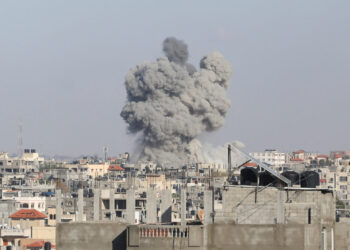


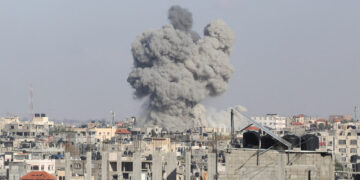


























Islamabad, May 9, 2025 – In a fiery address to the nation, Pakistani Prime Minister Shehbaz Sharif condemned what he described as a provocative and uncalled-for drone assault by India on multiple locations across Pakistan. The unprecedented escalation, which targeted major cities including Lahore, Karachi, and Rawalpindi, has heightened tensions between the two nuclear-armed neighbors, pushing the region to the brink of a broader conflict.
Speaking at a special session of the National Assembly, Sharif labeled the Indian drone strikes as a “cowardly act of aggression” and pledged a robust response. “Pakistan will not tolerate such violations of its sovereignty,” he declared, emphasizing that the nation’s armed forces are on high alert and prepared to counter any further provocations. “The blood of our people demands justice, and we will ensure that this act does not go unanswered.”
According to military sources, Pakistan’s air defense systems successfully neutralized several drones, which were identified as advanced models allegedly deployed to target strategic military installations. The strikes caused limited damage but resulted in civilian injuries, further fueling public outrage. Sharif called for unity among Pakistanis, urging citizens to stand firm in the face of external threats.
The prime minister also appealed to the international community, calling for immediate intervention to de-escalate the situation. “This is not just an attack on Pakistan but a challenge to regional peace,” he stated, urging global powers to hold India accountable for its actions. Sharif revealed that he had spoken with several world leaders, including U.S. Secretary of State Marco Rubio, to discuss the gravity of the crisis and seek diplomatic support.
While Sharif’s speech struck a defiant tone, he also hinted at Pakistan’s desire to avoid an all-out war, stressing that the country’s response would be “calculated and decisive.” Analysts suggest that Pakistan may opt for targeted retaliatory measures to signal strength without triggering a full-scale conflict. However, the prime minister’s vow to “avenge every drop of blood” has raised concerns about the potential for further escalation.
The drone strikes come in the wake of India’s recent military operations, which New Delhi claims were aimed at neutralizing terrorist infrastructure across the border. Pakistan, however, denies these allegations, asserting that the attacks were unprovoked and aimed at civilian and military targets. The conflicting narratives have deepened mistrust, with both nations accusing each other of violating airspace and escalating hostilities.
As the situation unfolds, the world watches anxiously. Sharif concluded his address with a call for national resilience, stating, “Pakistan has faced challenges before, and we will emerge stronger. Our resolve is unbreakable, and our response will be unforgettable.”
The international community, including the United Nations, has called for restraint from both sides, emphasizing the need for dialogue to prevent a catastrophic conflict in South Asia. For now, Pakistan remains on edge, with its leadership signaling that it is ready to defend its sovereignty at all costs.